


How to select warehouse racks? What are the differences between light-duty, medium-duty and heavy-duty racks in application scenarios?
 Release time:2026-06-13
 news source:
 browse:4776
Rack selection is mainly based on five core factors: cargo weight, storage type, warehouse height, access frequency and handling equipment. The general industrial classification and application specifications for mainstream rack types are as follows:
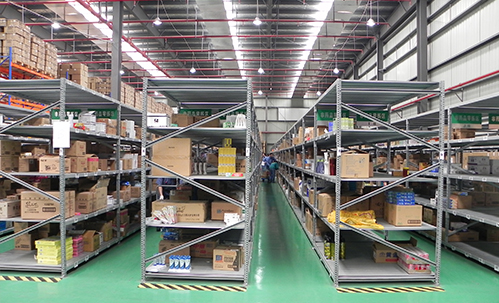
1. Light-duty Rack Load capacity: 200–500kg per level. It is suitable for small bulk goods and carton materials with full manual operation. Widely applied in e-commerce warehouses, office material storage and small-sized warehouses with low-load storage demands.
2. Medium-duty Rack Load capacity: 1000–3000kg per level. Designed for boxed goods and standard pallet goods, supporting manual handling or simple forklift operation. Featuring strong versatility, it fits most warehouse scenarios for small and medium-sized manufacturing factories.
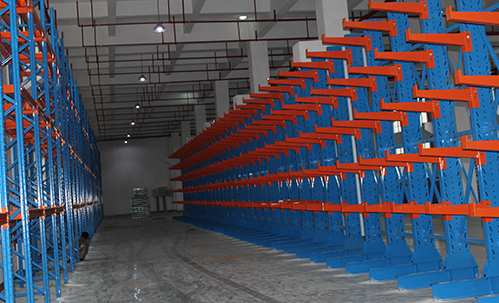
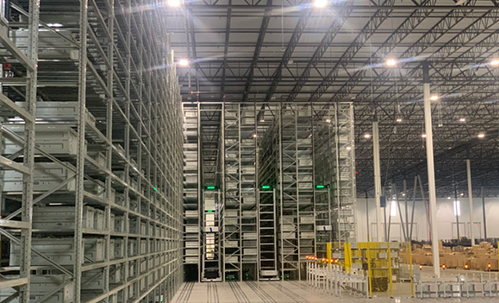
3. Heavy-duty Rack Load capacity: over 5000kg per level. Tailored for heavy pallet goods and bulk industrial materials, supporting forklift and stacker operation. It is ideal for high-rise warehouses with large stock volume and high access frequency, commonly used in manufacturing plants, professional logistics centers and raw material warehouses.
Professional rack selection requires targeted structural optimization based on actual warehouse dimensions, cargo specifications and practical storage demands. Proper equipment selection can effectively improve warehouse space utilization, standardize daily operations, guarantee operational safety and prevent equipment deformation caused by overload.
 FLLW
FLLW



 CT US
CT US
 FBK
FBK
 TOP
TOP